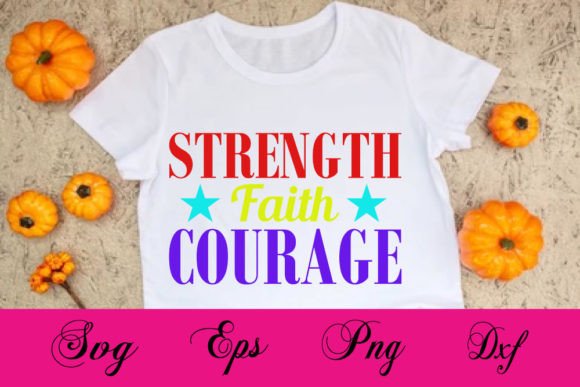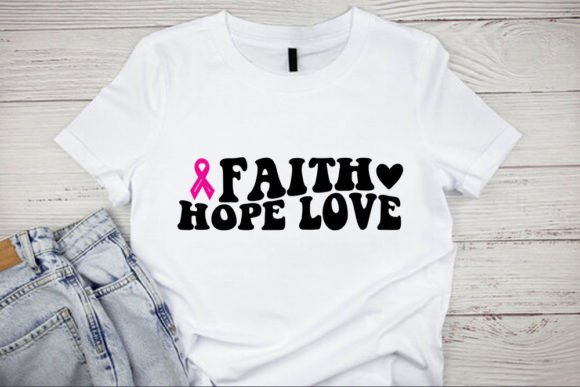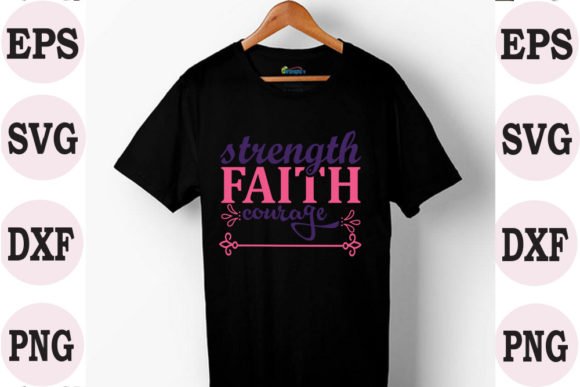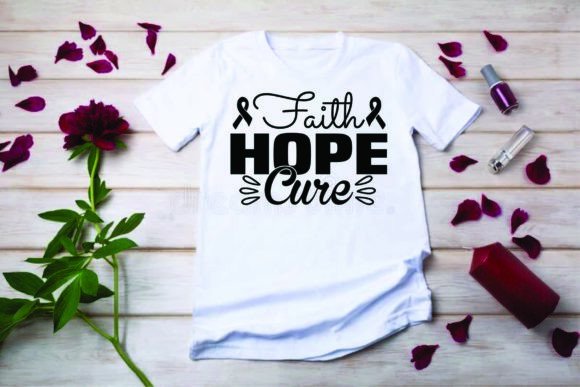
Cancer SVG Design, Strength Faith Courage Review
Performance in Real Embroidery Projects
- Tote bag designs: The bold text and clear outlines make it ideal for cotton or canvas tote bags. It stands out and conveys the intended message clearly.
- Sweatshirt embroidery: On heavier knits or fleece, the design remains legible and retains its impact. It doesn’t shrink or blur when stitched onto stretchy materials.
- Embroidered patches: The layered structure suggests it could work well as an applique design, especially if using satin stitch for the main elements and fill stitch for accents.
- Nursery decor: For those crafting holiday gifts or nursery-themed items, the gentle curves and strong message pair beautifully with soft pastel threads or monochrome schemes.
Testing Before Stitching
- Test the design on scrap fabric first. See how it behaves on the type of material you plan to use.
- Check thread color contrast against your fabric. Even though the design includes multiple thread colors, they may need adjusting depending on your background.
- Review stitch density. Dense areas might require extra stabilizer, particularly on thin or stretchy fabrics.
- Confirm hoop size compatibility. If the design is large, ensure you have the right hoop to prevent distortion during stitching.
- Inspect small details. While the overall layout is solid, tiny lettering or intricate corners should be tested for clarity and stitch integrity.
- Try a black-and-white mockup to see how the design holds up in grayscale. This helps determine whether the colors are necessary for the message or merely decorative.
Where to Use With Caution
- Small hoop sizes: If you're planning to use this on buttons, caps, or other small items, you’ll likely need to simplify or scale down the design. Otherwise, the fine details won't hold up.
- Textured or dark fabrics: The design relies on visual clarity. On coarse textures or darker backgrounds, the colors may blend too much or appear flat. Testing with thread color adjustments is key here.
- Stretchy or thin materials: These types of fabrics can cause distortion or puckering in dense stitch areas. A good stabilizer and possibly a lighter stitch density will help maintain quality.
- Curved surfaces: If you're embroidering on curved surfaces like caps or pillows, make sure the design is segmented properly and compatible with your machine’s capabilities.
Impact on Product Value and Customer Engagement
From a business perspective, using this design can enhance brand consistency and product recognition. If you're running a craft business focused on empowering messages or wellness themes, it fits right in. For Etsy sellers and handmade shop owners, it's a great addition to digital product listings. The included PNG and DXF files mean you can show customers exactly what the finished product will look like, improving buyer engagement and reducing returns due to misunderstandings.Design Notes for Embroidery Success
Always use the printable mockup provided in the ZIP file to visualize how the design will look on your chosen product. This helps avoid last-minute surprises when the actual stitch comes out differently than expected.
If you're planning to use this in commercial embroidery projects, confirm the licensing terms. Many designers offer limited rights for personal use, so it's crucial to know whether you can legally sell finished items or digital embroidery files derived from this design.
Also, pay attention to the file formats. The inclusion of EPS, SVG, PNG, and DXF ensures flexibility across software platforms and preview tools. But remember, format alone doesn’t guarantee success—you still need to evaluate how each version translates to your machine and workflow.