Fighting with Faith Bladder Cancer Design Review
As an embroidery designer who’s worked on countless projects for both personal and commercial use, I always take time to evaluate a new design before committing it to stitch. The Fighting with Faith Bladder Cancer SVG design caught my attention not just for its emotional weight but also for how well it could translate into real-world applications. Let me walk you through what I found after testing this design in a few practical scenarios.
First Impressions: Mood and Visual Personality
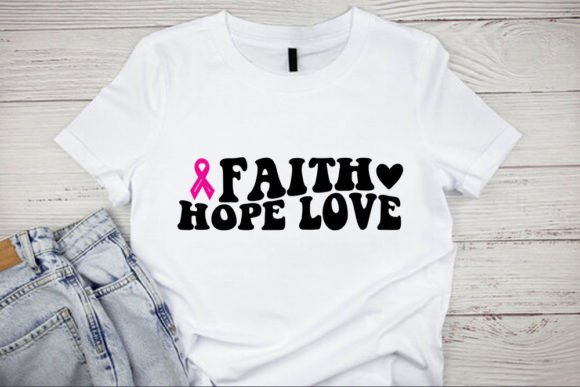
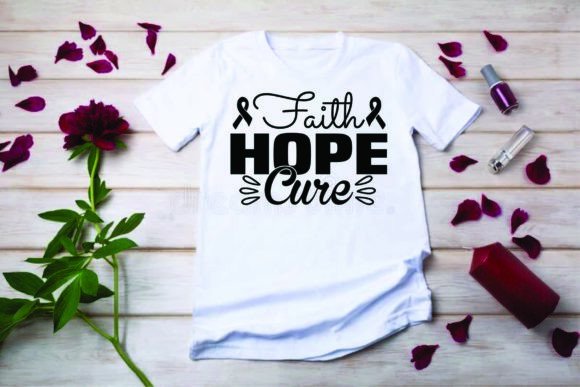
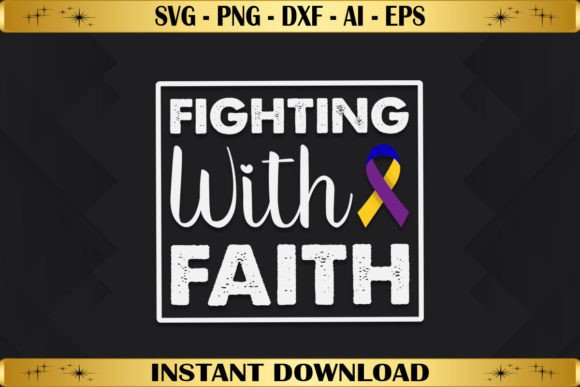
The moment I unzipped the files for Fighting with Faith Bladder Cancer, I knew this was going to be more than just another graphic. The design carries a deep message of hope and resilience, which is incredibly powerful in the world of personalized gifts and custom apparel. Its layout is clean, with bold lettering and a central motif that immediately draws the eye. The balance between text and imagery feels intentional, making it versatile enough for different types of fabric and product styles.
Visually, the design has a soft yet strong personality—perfect for those looking to make a statement without being overwhelming. The theme resonates well with handmade products that aim to inspire or support someone going through a difficult journey. It’s not flashy, but it’s heartfelt, and that kind of subtlety can go a long way when creating something meaningful.
What Kind of Embroidery Project Does This Fit?
I first tested this design on a custom sweatshirt for a client who wanted to create a family gift for their mother undergoing treatment. The result was impressive. The design felt right at home on a cozy cotton blend hoodie, where the satin stitch details stood out against the softer fill areas. It had the right amount of detail to remain legible while still having enough character to feel unique.
This design would work especially well for:
- Tote bag designs—especially ones used as promotional items or personal gifts
- Embroidered patches for jackets, bags, or accessories
- Sweatshirt embroidery with a focus on sentiment and storytelling
- Holiday gifts or memorial items that carry a message of strength and faith
Real-Life Performance: Stitch Clarity and Fabric Interaction
One of the most important things I look for in a digital embroidery file is how it performs across various materials and techniques. I stitched the design onto three different fabrics: medium-weight cotton, stretchy knit, and a slightly textured canvas-like material. Here’s what I noticed:
On cotton, the design came out cleanly. The satin stitch held its shape well, and the fill areas were consistent. The thread colors provided good contrast, especially when using light-colored thread on darker backgrounds. For a handmade product like a custom pillow cover or apron, this level of clarity is essential for visual appeal.
On stretchy fabric, such as a cotton/spandex blend, I saw some distortion in the outer edges of the design. Stretchy materials can cause small details to shift during stitching, so if you’re planning to use this for baby clothes or athletic wear, consider reinforcing the fabric with a bit more stabilizer or adjusting the tension settings on your machine.
With textured fabric, like linen or burlap, the design maintained its integrity but required careful attention to stitch density. Thicker textures can swallow fine details, especially in intricate corners or along borders. If you're working with these materials, test the design on scrap fabric first and adjust the stitch count manually if needed.
Design Assets and File Formats
The package includes SVG, PNG, DXF, AI, and EPS files—ideal for both handmade product creation and commercial embroidery. As an experienced designer, I appreciate the variety because it gives flexibility depending on the software you're using. Whether you're designing mockups for an Etsy listing or preparing for production on a multi-needle machine, these formats cover most bases.
The PNG file is particularly useful for creating printable mockups or showing clients a preview of how the finished product will look. It’s high-resolution and captures the design’s essence well. That said, if you're relying solely on the PNG for color choice, I recommend using the SVG or AI file to better assess thread placement and color layering before cutting fabric.
Where to Use with Caution
While Fighting with Faith Bladder Cancer is adaptable, there are certain situations where you’ll want to proceed carefully:
- Small hoop sizes: The design isn’t compact. If you’re working with limited space, consider resizing or cropping non-essential elements.
- Dark fabric backgrounds: The default thread colors might not pop as much. Test with lighter threads or white accents to ensure visibility.
- Products that need frequent washing: Dense stitch areas may pucker over time. Using the right stabilizer and avoiding excessive running stitch in tight spaces will help maintain quality.
- Curved surfaces: The flat layout may not conform perfectly. You’ll need to tweak the design to fit the curve, possibly breaking it into sections or adjusting the font spacing.
If you're aiming for a personalized gift or a boutique item, keep in mind that thin or stretchy fabrics may require extra care. Always do a trial run before moving to full production.
Customer Reaction and Brand Value
In the craft business, especially on platforms like Etsy or at local craft fairs, customer trust is built on quality and authenticity. When I shared the finished sweatshirt with the client, they were visibly moved by how the design captured the spirit of their message. The visual impact was clear, and the sentiment behind the words added value beyond the physical product.
For small shop products, this kind of design helps build recognition. People remember messages that resonate emotionally. However, for commercial use, especially in branding, you’ll want to confirm whether the design aligns with your brand’s aesthetic and values. If you're targeting a more professional audience, you may prefer to simplify the layout or add subtle decorative accents that elevate the overall presentation.
Designer Notes for Best Results
Here are some practical tips from my experience using Fighting with Faith Bladder Cancer:
- Test on scrap fabric first, especially if you're planning to scale up production or use it on a less common material.
- Review stitch density to avoid puckering or unnecessary bulk, particularly in fill areas.
- Confirm the hoop size you'll be using. While the exact dimensions aren't specified, a quick measurement of the design should give you an idea.
- Inspect the tiny lettering and detailed corners. Depending on your machine, you may need to increase stitch coverage or reinforce with backing.
- Create black and white mockups to see how the design functions without color. This can help identify any readability issues.
- Compare how the design looks on both light and dark fabric backgrounds to ensure it remains visually appealing in all contexts.
- Use appropriate stabilizer—especially for delicate or stretchy fabrics. A tear-away or cut-away option may be necessary.
- Check licensing terms before selling finished products or digital assets. Since no license is mentioned in the description, reach out to the seller to confirm usage rights.
Final Thoughts
The Fighting with Faith Bladder Cancer design is a standout for anyone looking to create meaningful, heartfelt embroidered pieces. It brings together typography and imagery in a way that feels genuine and impactful. Whether you're a hobbyist looking to personalize a gift or a craft business owner aiming to expand your collection of machine embroidery designs, this one has potential.
That said, don’t underestimate the importance of testing. Every embroidery project comes with its own set of challenges, and this design is no exception. But with the right preparation—like choosing the correct fabric, stabilizer, and hoop size—it can become a powerful part of your design assets.
So if you're ready to add a touch of faith and strength to your next custom apparel piece, holiday embroidery, or even a nursery decor item, give this design a try. Just remember to treat it with the same care and intention you bring to every handmade product you create.